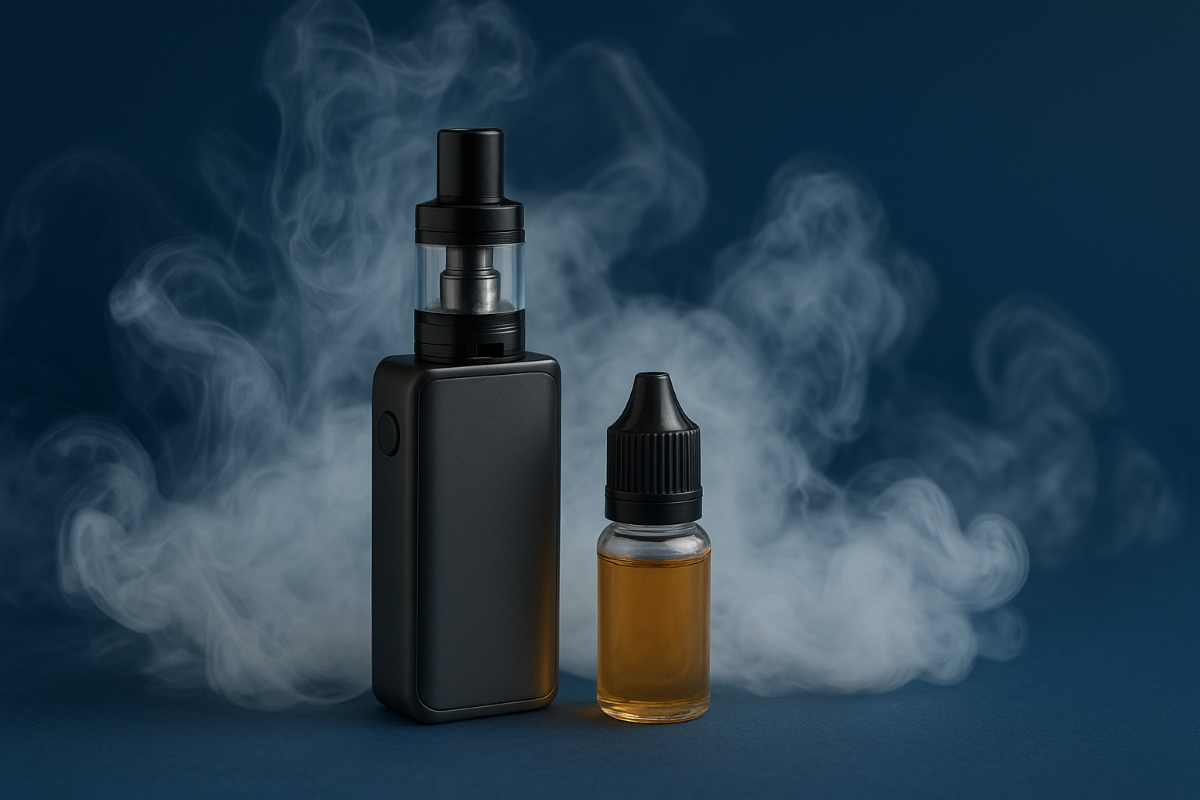
The State Of The Vaping Industry
The vaping industry has evolved rapidly over the past decade, transitioning from a niche alternative to traditional smoking into a global, multibillion-dollar market. Originally positioned as a harm-reduction tool for adult smokers, vaping now sits at the intersection of innovation, regulation, public health debate, and shifting consumer behavior. Today, the industry faces both significant growth opportunities and mounting challenges.
Market Growth and Consumer Trends
Despite regulatory pressures, the global vaping market continues to expand. Growth is driven largely by adult smokers seeking alternatives to combustible cigarettes, as well as by technological advancements in device design. Disposable vapes, pod-based systems, and nicotine salt formulations have gained popularity due to their convenience, smoother nicotine delivery, and wide variety of flavors.
Consumers are increasingly demanding customization, better battery life, improved safety features, and more sustainable products. This has led manufacturers to invest heavily in research and development, focusing on leak-proof designs, smart devices, and recyclable or reusable components. In some regions, premium vaping products and nicotine-free options are also gaining traction, reflecting a shift toward wellness-oriented consumption.
Regulatory Landscape
Regulation is the most defining force shaping the vaping industry today. Governments worldwide are tightening controls to address health concerns, youth usage, and product safety. Many countries have introduced restrictions on flavors, advertising, packaging, and nicotine concentrations. Others have imposed outright bans on disposable vapes or online sales.
While regulation aims to protect public health, it has created uncertainty for manufacturers and retailers. Compliance costs are rising, and smaller players often struggle to meet evolving standards. At the same time, clearer regulatory frameworks in some markets have helped legitimize the industry, encouraging responsible players to invest long-term and pushing unregulated or counterfeit products out of the supply chain.
Public Health Debate
The role of vaping in public health remains highly contested. Public health agencies in several countries acknowledge that vaping is significantly less harmful than smoking traditional cigarettes and may help smokers quit. However, concerns persist about long-term health effects, nicotine addiction, and youth uptake.
Media coverage and public perception often fluctuate based on emerging studies and policy announcements. This ongoing debate has influenced consumer trust and placed pressure on companies to prioritize transparency, quality control, and responsible marketing. Many industry leaders are now emphasizing adult-only branding, age verification technologies, and educational campaigns to rebuild credibility.
Innovation and Technology
Innovation continues to be a major driver of differentiation in the vaping industry. Advances in heating elements, airflow control, and e-liquid formulations are improving consistency and user experience. Some companies are exploring artificial intelligence and smart sensors to regulate dosage and monitor usage patterns.
Sustainability has also become a growing focus. Environmental criticism of disposable vapes has pushed brands to explore biodegradable materials, recycling programs, and refillable systems. Companies that successfully balance convenience with sustainability are likely to gain a competitive edge in the coming years.
Regional Dynamics
The vaping industry’s trajectory varies significantly by region. In parts of Europe and the Middle East, vaping is increasingly accepted as a smoking alternative under regulated frameworks. In contrast, several Asian and Latin American markets maintain strict bans, limiting growth opportunities. The United States remains one of the most complex markets, with ongoing legal challenges, FDA authorization requirements, and state-level policy differences.
Future Outlook
Looking ahead, the vaping industry is expected to mature rather than disappear. Growth will likely be slower and more regulated, favoring established brands that can meet compliance standards and invest in innovation. The industry’s future depends heavily on its ability to align with public health goals, address environmental concerns, and maintain responsible marketing practices.
The vaping industry stands at a critical turning point. While it continues to offer potential as a harm-reduction alternative for adult smokers, its long-term success will be shaped by regulation, scientific research, consumer trust, and sustainable innovation.
Content by: GuestPosts.biz